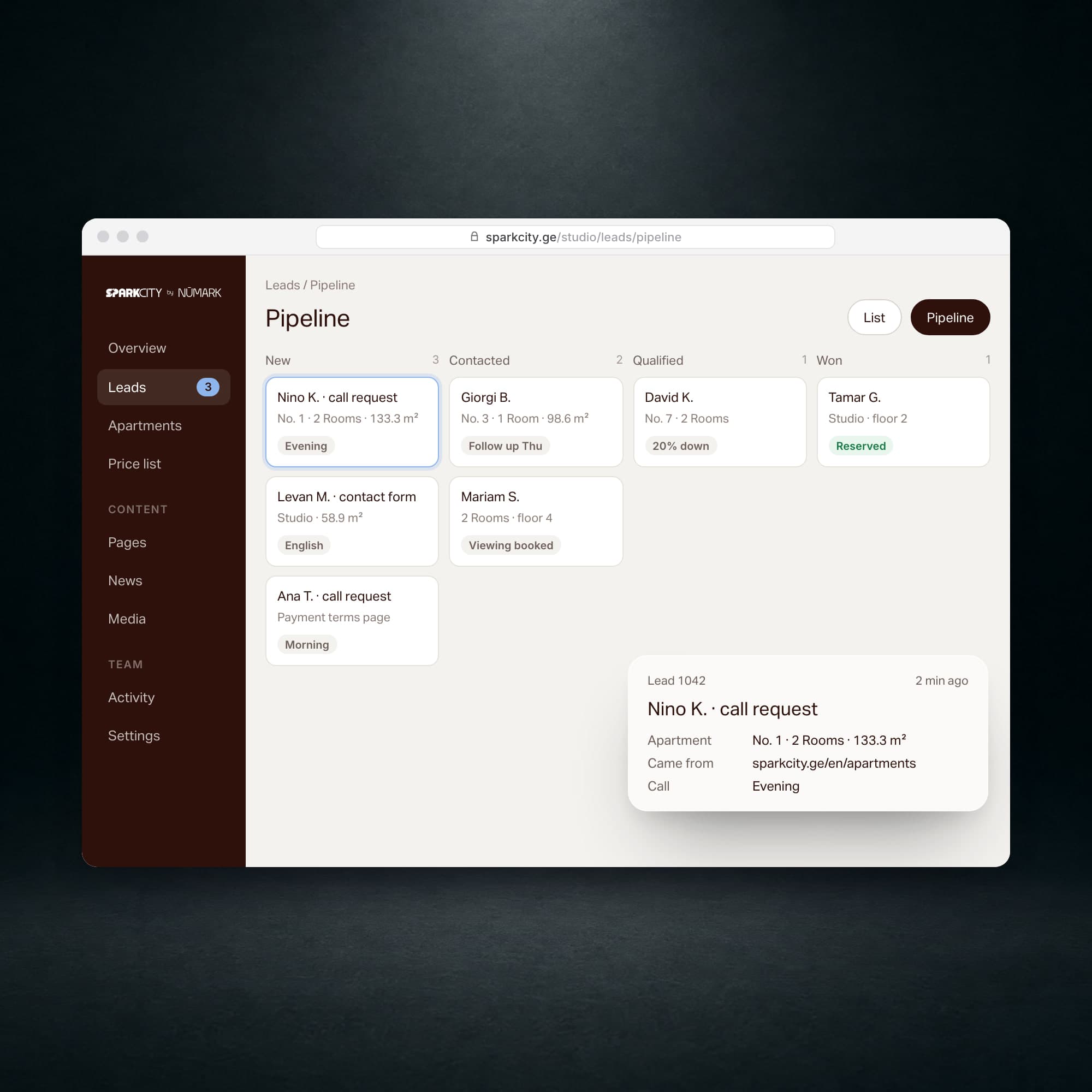
Before01
It looks fine and sells nothing.
Traffic arrives, reads a paragraph and leaves. Nothing asks for the next step.
With Vebses
Every page has one job.
Structure built around the action that makes you money, and copy ordered to earn it.
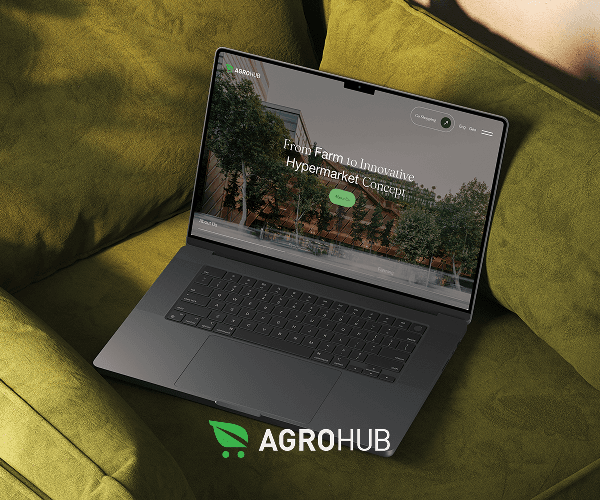
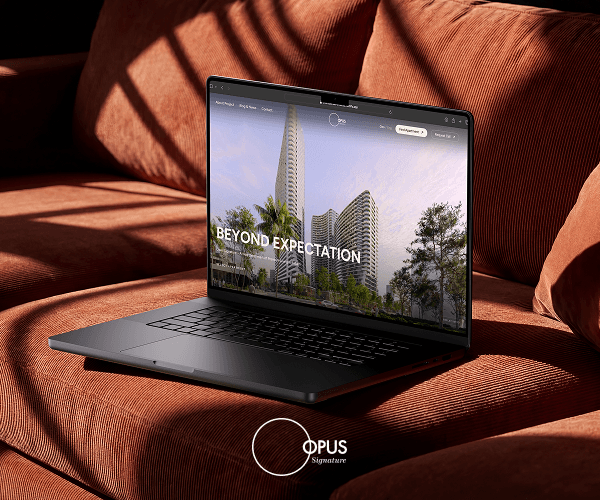
Most company sites are brochures with a contact form bolted on. We build the other kind: fast, structured for search, and shaped around the one action that makes you money.
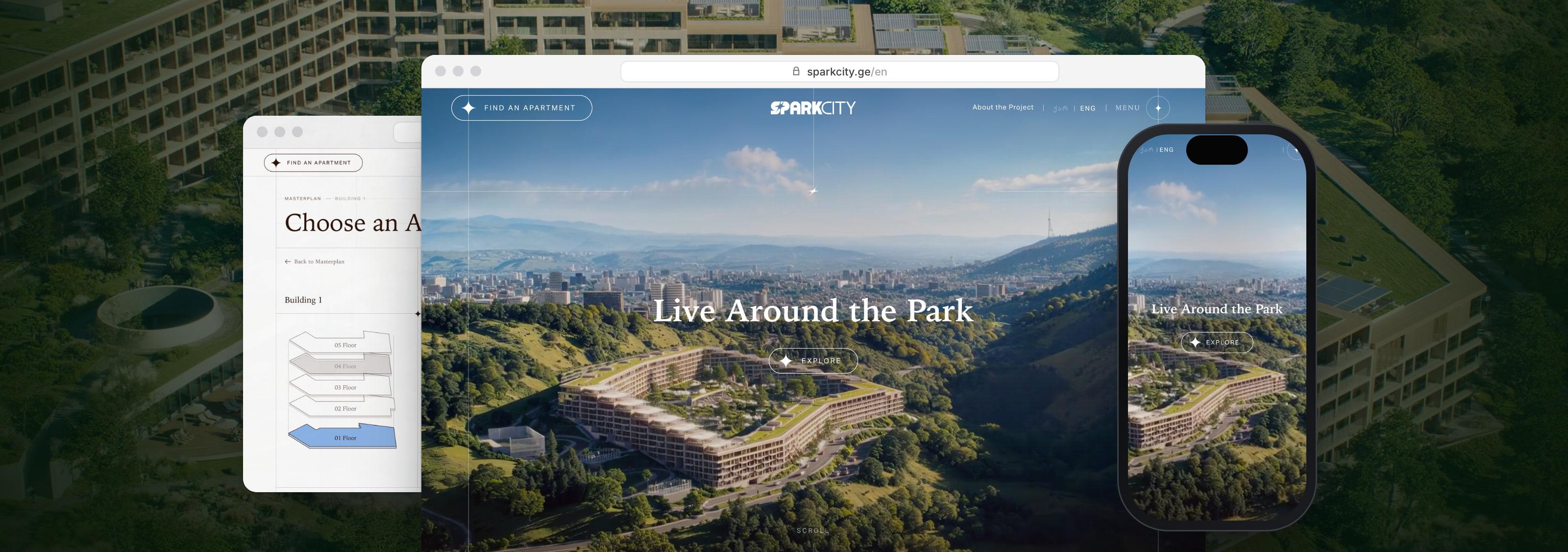
The problems we find on most company sites, each set against what we build in its place.
Fixed scope and fixed price, agreed after discovery. No hourly surprises.
Most marketing sites run six to ten weeks from kickoff to launch.
You own the code, the CMS and the domain from day one.
 Where people land
Nobody controls where a visit begins. A search result or a pasted link opens in the middle of the site, and that page has to say what the business does and how to make contact.
The link can be sent cold, with nothing explained first.
 The cost question
Everyone arrives with the same question, and it does not go away because a page ignores it. Where figures exist, publish them; where they cannot be published, say what a figure depends on and what scale to expect.
The first call starts after the price question, not with it.
 The handover
The site's last act is to hand a stranger to a member of staff. What it attaches to that handover decides whether the reply takes one message or several, and whether the right person gets it.
Staff reply with an answer, not a request for details.
 Keeping it true
A site goes wrong slowly: a detail changes or someone leaves, and nobody inside can correct it. Staff quietly stop sending the link, and the second language goes stale first.
A correction is made in the office, not booked with us.
First website? This is the standard every build is measured against before we hand it over, the same one whether the job is a landing page or a platform.
Lighthouse, mobile
The target every build ships against, verified before launch. Not a promise you have to take on trust.
Thirty minutes. A straight answer and a budget range.
We map the problem and write the scope.
Weekly demos, a staging link from week one.
Live, tracked, and still ours to look after.
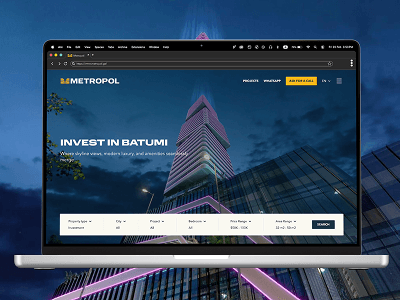
For developers, manufacturers and brands in Georgia, each one built around the action that pays for it.
Still unclear? The intro call costs thirty minutes and commits you to nothing.
A marketing website at Vebses typically takes six to ten weeks from kickoff to launch. Discovery and structure take about a week, design two to three, build three to four, then content and QA. Sites with heavy catalogues or three languages sit at the longer end.
We quote a fixed price after discovery rather than an hourly rate, because the honest answer depends on page count, languages, and whether you need a search or catalogue system. You get the number before any design work starts, and it does not move unless you change the scope.
It depends on who edits. Teams that publish daily usually get a headless CMS behind a Next.js front end; teams that edit occasionally are often better served by WordPress, which their staff already know. We recommend based on your editing habits, not our preferences.
We structure it and we edit it, and our content manager can write in Georgian and English when you need that. What we will not do is invent claims: numbers, certifications and case details have to come from you so the site stays truthful.
Technical SEO is included by default: clean page structure, schema markup, sitemap, metadata, image alt text and fast loads. Ongoing keyword strategy and content production are a separate engagement, and we will tell you honestly whether you need one.
Yes. Every site ships with a CMS and a short training session for the people who will run it. If a page layout needs to change structurally we are one message away, but text, images, prices and new pages are yours.
Yes. Most sites we ship run Georgian and English side by side, with Russian added when the market needs it. That includes localised URLs and metadata, not a translation widget over an English site.
We stay on it. Launch includes analytics and goal tracking so you can see what the site returns, and we keep tuning and iterating rather than sending a handover email and disappearing.
Thirty minutes, no pitch deck. Describe the problem and we will tell you what it takes to solve it (scope, budget range, timeline), even if the answer is that you do not need us.